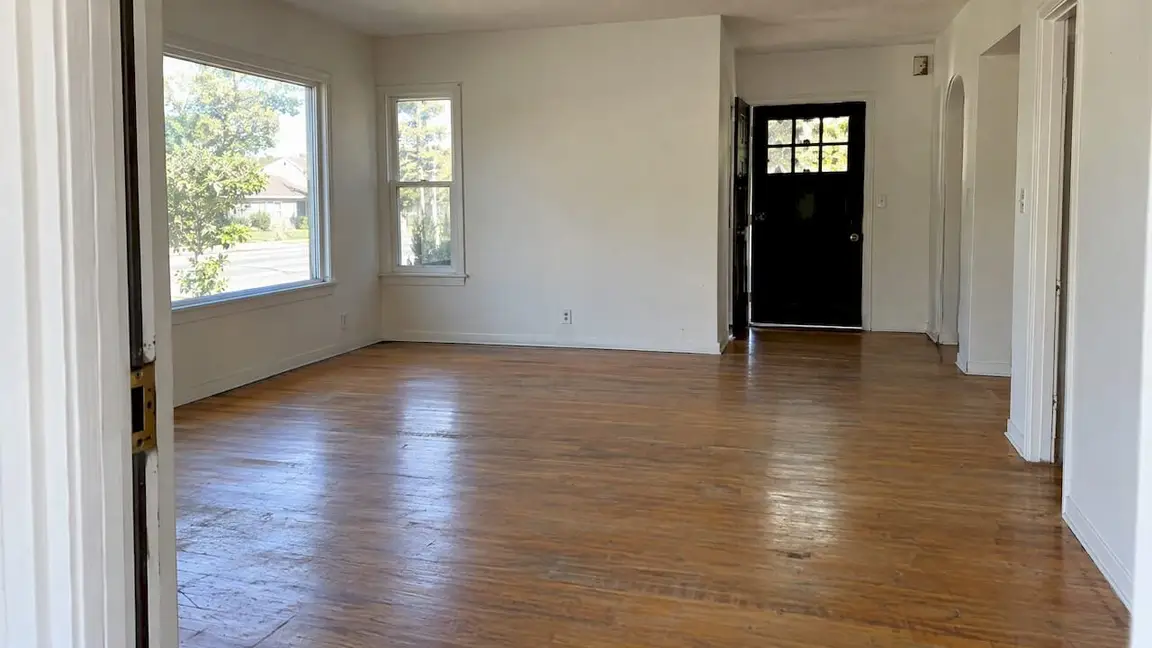


An empty house is expensive to own. The mortgage, taxes and utilities keep coming, the insurance may stop covering you, and every week on the market adds to the bill. The fastest way to stop that clock is to sell to a buyer who purchases as-is for cash and lets you pick the closing date. That is what we do at Cash Offer Center: we can close in as little as seven days, with no repairs, no cleaning, no fees and no commissions. If you would rather list the home, the rest of this guide covers what it costs to hold a vacant property, how to protect and insure it, and what you must disclose.
TL;DR
- A vacant house can cost roughly $100 a day to carry once you add the mortgage, taxes, insurance, utilities and upkeep, so speed matters more than it does with an occupied home.
- In California, standard fire coverage may stop applying after 60 consecutive days of vacancy, so call your insurer early.
- You still have to complete the state’s disclosure forms, and you should say plainly that you no longer live in the home.
- A cash sale skips showings, staging, repairs and agent commissions, and you choose the closing date.
Table of Contents
Does an empty house sell better?
Sometimes it does, and sometimes it doesn’t. An empty home is easy to show, easy to clean and easy to hand over on closing day. Buyers who need to move quickly like that. Housing.com lists flexible showings, easier renovations and immediate possession among the advantages.
The trade-offs are just as real. The Balance reports that bare rooms have less emotional appeal, which can mean a longer sale and a lower price. Vacant homes can also attract crime, and a regular homeowner’s policy may not cover one.
So the question is not whether an empty house can sell. It is how long you can afford to carry it while you wait.
What a vacant house costs you every month
Most owners underestimate this number. One 2026 agent checklist worked through a typical example:
| Monthly cost | Example amount |
|---|---|
| Mortgage (at 6.34%) | $2,085 |
| Property tax | $369 |
| Insurance | $208 |
| Utilities | $250 |
| Upkeep | $150 |
| Total | about $3,062 |
That adds up to roughly $6,100 over 61 days. Without a mortgage, the same month still comes to $977. Your numbers will differ, and California property tax and insurance costs vary by county and by home. But the pattern holds: the house earns nothing, and the bills keep running.
Take your own mortgage statement, your latest tax bill and your insurance premium. Add utilities and a realistic figure for lawn care and checks. Divide by 30. That is your daily cost of waiting, and it is the number to compare against every selling option.

Insurance: the gap most vacant-home owners miss
This is the part of owning an empty house that can hurt the most.
Under California Insurance Code section 2071, insurers are not liable for fire losses once a building has been vacant or unoccupied for more than 60 consecutive days, unless your policy says otherwise. The same source notes that the California FAIR Plan excludes vandalism after 30 consecutive days unless you add a vacancy permit endorsement.
The usual fixes are an endorsement on your existing policy or a separate vacant-home policy. LegalClarity reports that an unoccupied endorsement typically raises the premium 15 to 30 percent. A standalone vacant policy costs roughly 50 to 60 percent more and usually excludes vandalism, liability and personal property. Insurify puts vacant-home premiums anywhere from under $1,000 a year to more than $7,000, depending on coverage and insurer.
The practical step is simple. Call your insurer the day you move out, tell them the home is empty and ask what changes. Your agent or insurer is the right person for coverage questions, since the terms depend on your policy.
A shorter timeline also shrinks this problem. If you sell within days, you may never reach the 30 or 60-day marks at all.

Keeping a vacant house safe until closing
If you are listing the house, or waiting for a closing date, treat the property as if someone lives there. The 2026 checklist we mentioned draws on insurer and National Association of Realtors guidance. Its main points:
- Locks and lights. Put deadbolts on every exterior door. Use timers on interior lights and motion-sensor lights outside.
- Monitoring. An alarm, leak sensors and a doorbell camera with phone alerts help you catch problems early.
- Signs of life. Mow the lawn, clear debris and ask a neighbor to park in the driveway now and then. Introduce yourself to the neighbors and share your phone number.
- Utilities on. Keep power, gas and water on until closing, with the thermostat around 55°F so pipes stay safe.
- Mail. USPS Hold Mail runs a maximum of 30 days, so set up forwarding for anything longer.
A clean home also shows better, whether you are listing or inviting an offer.
If you sell to us, none of this prep is on you. We buy as-is, so you do not need to clean, repair or stage anything.
What you have to disclose on a vacant home
Moving out does not end your disclosure duties. LegalClarity notes that every U.S. state requires some form of seller disclosure of known defects, and that mistakes or omissions are a common source of lawsuits after a sale. If you have not lived in the property recently, say so on the form rather than guess.
In California, the main form is the Real Estate Transfer Disclosure Statement, made under Section 1102 of the Civil Code. The Department of Real Estate explains it, along with other required disclosures, in its guide to disclosures in real property transactions. If you are unsure how a particular question applies to your situation, a California real estate attorney can tell you.
Inherited or probate homes bring extra steps. We cover them in our guide to selling a probate house in California.
How to sell an empty house fast
Speed comes from removing the steps that slow a sale down. Here is the routine, with where each step tends to go wrong.
1. Work out your cost of waiting
Use the daily figure from above. It tells you how much a price cut or a quick close is worth. Many owners hold out for a higher price, then spend the difference on three extra months of bills.
2. Decide how you want to sell
There are three broad routes: a listing with an agent, a sale by owner, and a direct cash sale. Listing means preparing the home, waiting for showings and negotiating with buyers whose loans may fall through. NAR data cited by Amerisave put the typical time to go under contract at 31 days in August 2026, and HomeLight puts financed closings at about 43 days on average. That is before repairs or price drops.
A direct cash sale to us works differently. We make a personalized cash offer and explain how we arrived at it. You choose the closing date, and we can close in as little as seven days. There are no agent commissions, no fees and no showings.
3. Gather the basics
Have your mortgage payoff amount, tax bill, any HOA details and the keys ready. For a cash sale you need very little else, because we buy as-is.
4. Handle the paperwork
Whichever way you sell, complete the disclosures honestly. Mention anything you know about, including past leaks, roof damage or break-ins while the home sat empty.
5. Choose the closing date that fits your life
If you are relocating, settling an estate or leaving a divorce, the date matters as much as the price. With us, the closing date is your call.
When listing makes sense, and when a cash offer fits better
A cash offer fits best when time, condition or stress is the problem. These are the situations we hear about most:
- Foreclosure pressure. Every month of missed payments narrows your options. A fast close can protect you.
- Inherited property. An heir who lives elsewhere inherits the bills, the upkeep and the insurance problem all at once. A fast cash sale ends all three.
- Homes needing major work. We buy as-is, so you skip contractors and estimates. See our guide to selling a damaged house as-is or one with foundation problems.
- Rentals and landlord headaches. An empty rental earns nothing. Read how to sell a rental property fast in California.
- Divorce or relocation. If a house stands empty while you sort out what comes next, see selling a house during divorce.
If you owe more than the home is worth, our guide to selling with negative equity explains your choices.
What a cash offer from us looks like
We are a local, family-owned team. You deal with us, not a call center or a distant investor. We buy houses, condos, apartments and land across California, and we explain each offer in full so you know how we got to the number. Our guide to a no-obligation cash offer shows what to expect.
Here is what you do not pay for or arrange:
- Agent commissions or fees
- Repairs, cleaning or staging
- Showings and open houses
- Months of waiting on a buyer’s financing
If you want to compare, ask any buyer the same questions: how long until closing, what fees come out of your proceeds, and who sets the closing date. Those three answers tell you most of what you need.
Our view
I have seen what an empty house does to an owner. At first it feels like relief: the move is done, the house is quiet. Then the bills keep arriving, a neighbor mentions the lawn, and the insurance letter shows up. The house starts to feel like a weight.
That is why we built Cash Offer Center around speed and honesty. We buy as-is. You do not clean, repair or stage. You do not pay commissions or fees. You pick the closing date, and we can close in as little as seven days.
We are a local, family-owned team, and we explain every offer. We want you to understand the number, not just accept it. When a vacant home is costing you money every day, a fair cash offer and a quick, clear path forward is often the kindest thing we can give you.
Joe
Get a cash offer for your vacant house
If your house is empty and you want to stop the monthly costs, tell us about the property. We buy houses, condos, apartments, duplexes, townhomes, multifamily properties and vacant land in California. You can start on our Sell Your House For Cash page or see how we buy houses. Condo and multifamily owners can also see our California page.
FAQ
Is it harder to sell a vacant house?
It can be slower, because empty rooms feel less inviting and buyers may offer less. The house also costs more to hold, since you carry utilities and insurance with no one living there. A cash sale avoids most of this, because we buy as-is without staging or showings.
Does homeowner’s insurance cover a vacant house in California?
Not always. Under Insurance Code section 2071, fire coverage may not apply once a building has been vacant for more than 60 consecutive days, unless your policy says otherwise. Call your insurer when you move out and ask about a vacancy endorsement or a separate vacant-home policy.
Do I have to disclose that the house is vacant?
You must complete California’s required disclosure forms honestly, including known defects. If you have not lived in the home recently, say so on the form instead of guessing. A California real estate attorney can answer questions about your specific form.
Can I sell an empty house I inherited?
Yes. Inherited homes often sit empty while the estate is settled, and the costs of holding them add up quickly. We buy probate and inherited properties as-is, and our guide to selling a probate house in California walks through the steps.
How fast can you close on a vacant house?
We can close in as little as seven days. You choose the closing date, so you can also pick a later one if you need more time to move or settle an estate.
Sources
- Should a Home Be Occupied or Vacant When Home Selling? (The Balance)
- Selling occupied vs vacant house (Housing.com)
- Selling a Vacant House: Agent’s Checklist (2026)
- Vacant or Inherited Home Insurance in California (Menlo Insurance)
- How to Sell a House While Living in Another State (LegalClarity)
- Vacant Home Insurance: Coverages, Costs, and How to Buy It (Insurify)
- USPS Hold Mail: The Basics
- Disclosures in Real Property Transactions (California Department of Real Estate)
- Critical Things Every Homeowner Should Know About Selling to an Investor (Amerisave)
Recommended